Power outages don’t just shut off the lights. In Needham, they often interrupt the whole rhythm of a home’s comfort system, especially if your air conditioner has to restart in the middle of a short outage or a longer outage that leaves it sitting warm and humid. When the power comes back, the first thing most homeowners do is hit the thermostat, expecting cool air to return instantly. Sometimes it does. Sometimes it hums, clicks, or blows weakly. And sometimes the AC won’t start at all, even though the rest of the home has electricity.
That’s where HVAC repair matters, and where the right HVAC contractor in Needham MA can make a real difference. Because the problem after an outage is rarely “the thermostat is wrong.” More often it’s a power-related stress that exposes a weak component, knocks a safety control offline, or reveals damage that was already starting to show.
If you’ve been through this once, you know the experience is frustrating. You wait for the house to cool down, you check breakers, you restart the system, and you still get nothing. Let’s walk through what typically happens after power disruptions, what to look for, what you can safely do yourself, and when you should call for AC repair in Needham MA instead of guessing.
Why power outages can cause real AC problems
When power drops, your air conditioner loses more than electricity. It loses the signals that tell its controls when to start, how fast to run, and when to shut down safely. Many modern systems rely on electronic control boards and sensors to protect compressors and fans. In a calm world, that’s great engineering. In the real world, an abrupt stop and restart can create conditions that trip protections or cause components to behave unpredictably.
Even if your home’s outage lasted only minutes, the restart sequence can still be a problem. A compressor needs time to equalize pressures after it stops. That’s why many systems include short delay timers. If the restart happens too quickly, the system may refuse to run or may start and then shut down quickly.
Longer outages and unstable power add another layer. Voltage spikes, power surges, or partial restoration can stress:
- contactors and relays capacitors that support starting torque control boards that interpret thermostat signals outdoor fan motors and sensors
The key point is not that outages “always” destroy AC units. The key point is that outages can turn a small issue into a no-cool situation. And that’s exactly what makes post-outage repair time sensitive. A unit that struggles to start is also a unit that may run less efficiently or repeatedly trip protections, putting additional wear on parts.
The most common symptoms after the power comes back
Homeowners describe similar patterns, even when the systems are different. You might hear a brief attempt to start, then silence. Or the indoor air moves, but the outdoor unit never kicks on. Or the outdoor unit runs but the air coming from the vents is warmer than it should be.
A few symptom patterns are especially common after outages:
- No outdoor activity, thermostat calling for cool. The thermostat may be sending the signal, but the outdoor unit is protected, locked out, or not receiving proper power. Outdoor unit clicks or hums, then stops. This often points to a starting issue, such as a failing capacitor or a relay/contactor problem. Fan runs, compressor doesn’t. You may get air movement but not the refrigeration cycle you need for true cooling. That can be a compressor control or sensor related failure. Short cycling. The system turns on briefly, then shuts off. After an outage, this can be an electrical protection response or a component that now can’t handle load consistently. Frost or unusual ice patterns. If the unit is running without proper conditions, you can end up with ice at connections or on coils, which can worsen efficiency and potentially damage parts.
One thing I’ve learned over years of responding to AC repair calls in Needham is that symptom descriptions matter. Even a small detail like whether the thermostat is set to “cool” or “auto,” whether the indoor fan is running continuously, or whether you hear a loud buzz outside can help narrow the likely cause before anyone opens a panel.
What you can safely check before calling for HVAC repair
After a power outage, you want to restore comfort as quickly as possible, but you also want to avoid doing anything that risks damage. There are a few safe checks that don’t involve opening the electrical system.
First, confirm the basics: breaker positions and thermostat settings. If the breaker tripped, it’s not “just reset and forget.” A tripped breaker can be the system protecting itself from a short, a ground fault, or an overload. Still, it’s a legitimate starting point.
Second, look at the thermostat mode and fan setting. If your thermostat has a https://greenenergymech.com/plumbing-electrical-hvac-services-needham-ma/ “fan” toggle, “on” can run air circulation without cooling. If the thermostat is set to “cool” but the fan is on and the outdoor unit is silent, you can end up thinking the AC is broken when the signal is present but the outdoor section is not.
Third, pay attention to error codes. Many thermostats display a code after an interruption. Those codes aren’t perfect, but they can be a breadcrumb trail. If you see a code, write it down. Even a phone photo helps.
Finally, give yourself permission to pause. If the system tries to start, makes unusual noises, or repeatedly trips a breaker, it’s better to stop restarting it every few minutes. Repeated attempts can stress the same vulnerable component and waste the opportunity for a technician to inspect without the system further destabilized.
Quick checklist you can do in the next few minutes
Verify the thermostat is set to cool and not just circulating air Check the breaker for the outdoor unit and reset only if it’s clearly safe to do so Look for thermostat error codes and note them Make sure outdoor power disconnect is not in an off position, if your home has one If the unit makes repeated clicking or buzzing, stop trying and call for serviceThat’s it. After that, you’re better off with a professional diagnosis rather than experimenting.
What a professional inspection typically focuses on
When you call an HVAC contractor in Needham MA for AC repair after an outage, you’re not just asking for someone to “turn it back on.” You want a technician who can identify whether the outage revealed a failure or merely tripped a protection.
A solid inspection usually includes verifying power at the outdoor unit, checking for tripped safety controls, and testing key electrical components with appropriate instruments. If your system ran at all after the outage, technicians also look for signs of uneven refrigerant performance, restricted airflow, or airflow issues that can appear when a system restarts under changed conditions.
Here are the types of checks that commonly matter in post-outage repair:
Airflow problems can cause the compressor to work harder than it should. That can show up as warm supply air, higher head pressure conditions, or short cycling. Technicians often confirm blower operation, filter condition, and whether the indoor coil is getting adequate airflow.
Electrical issues are the other major category. Capacitors, contactors, and control boards are often involved. If a capacitor is weak, the compressor may fail to start or may start weakly, causing heat and noise. If a control board is affected, you can get confusing behavior such as the thermostat calling for cooling but the outdoor unit ignoring the signal.
Safety controls are also crucial. Many systems include protection features that lock out the compressor if the conditions are wrong. An outage can trigger those lockouts. Reset procedures can work sometimes, but the more important part is verifying that the system is healthy enough to run safely.
The hidden cost of “letting it ride”
It’s tempting to wait a day or two after a power outage, especially if the weather is mild or you can manage with fans and opened windows. In Needham summers, though, humidity can build fast. Even if your AC doesn’t fully fail, a unit that is struggling to start or running inefficiently can still cost you.
When a system is on the edge of reliable operation, it may:
- use more energy because it’s fighting to cool run longer cycles that never fully reach set temperature build up stress on the compressor and fan motors trip breakers or protections more frequently lead to secondary problems such as coil icing or airflow restrictions
Also, there’s a practical concern. If you keep resetting and reattempting start cycles, you can end up with a worse failure by the time the technician arrives. In the field, that difference shows up in how the parts test out and whether a diagnosis can be performed cleanly without the system being repeatedly forced into a stressed state.
From a homeowner perspective, early repair often costs less than emergency escalation later. From a comfort standpoint, it matters even more. Your air quality and humidity control depend on proper cycling and correct refrigeration performance.
When it’s actually an AC installation or maintenance issue
Not every no-cool situation after an outage is purely an electrical repair. Sometimes the outage exposes something that was already mismatched or marginal.
For example, if an AC is oversized or the airflow is poorly balanced, it might cycle in ways that feel inconsistent even before a power disruption. Or if a duct system has restrictions, a compressor that struggles to cool adequately may be more likely to trip protections under load.
Also, if you recently had work done, like an AC installation in Needham, the timing matters. A new system should not behave randomly after a minor outage, but installation details can influence performance, including correct component sizing, proper refrigerant charge during commissioning, and wiring that meets local requirements.
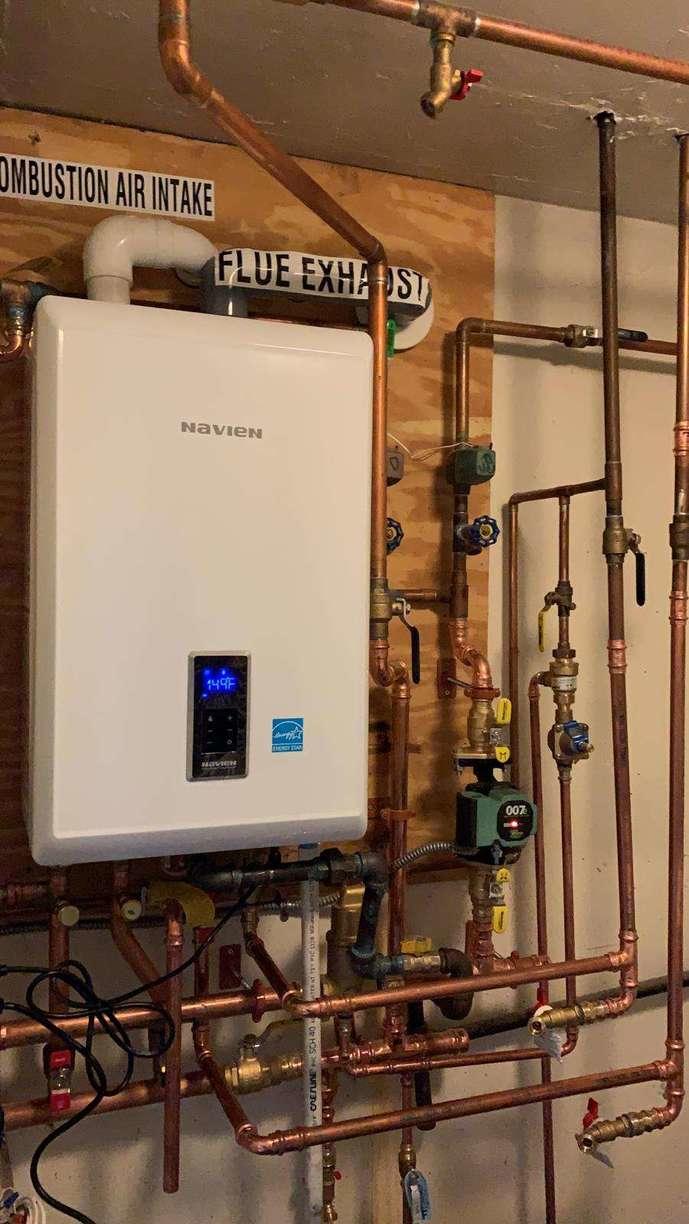
This is where AC maintenance in Needham MA becomes more than “routine.” Maintenance includes cleaning and checking components, verifying airflow, and catching early electrical or mechanical wear before it becomes a total breakdown during high-demand weather.
Why Green Energy AC Heating & Plumbing Repair is often a smart choice
After a power outage, many homeowners want two things at once: quick response and honest troubleshooting. Green Energy AC Heating & Plumbing Repair is the type of local provider that understands that comfort systems have to be safe, not just functional. The best service experience tends to come from technicians who take the time to explain what they’re finding and what’s driving the behavior you’re seeing, instead of relying on guesswork.
When you’re searching for AC repair in Needham MA or HVAC repair in Needham MA, look for a company that’s comfortable handling electrical diagnostics and not only replacing parts based on assumptions. A good approach matters because the post-outage failure mode can be electrical, control related, or airflow related, and sometimes the solution is a single component that got stressed, rather than a full system replacement.
Even if replacement is eventually the right call, homeowners do best when they understand the reasoning. Is the compressor failing? Is the unit short cycling due to an electrical starting problem? Is the indoor coil starving for airflow? Those answers help you weigh repair versus replacement with clarity, not fear.
Signs you should call the same day
If you’re dealing with an outage-related issue during summer, “same day” is not overkill. A few indicators justify quicker action because they can be tied to electrical hazards or compounding comfort problems.
Signs it’s time to schedule service quickly
The outdoor unit makes repeated clicking, buzzing, or tries to start and then immediately shuts off The system runs but blows warm air, or cooling is significantly weaker than normal The breaker trips again when you attempt to run the AC You see ice on the coil, unusual frost patterns, or water draining that looks out of the ordinary The thermostat shows an error code and the AC does not respond as expectedIf any of these are happening, waiting often turns a manageable repair into a more complicated situation.
What to expect from the repair process
A professional repair is usually more structured than most homeowners imagine, even though the work happens quickly once the diagnosis is clear. You can expect a technician to ask what happened before the problem appeared, how long the outage lasted, and what the AC does when you set the thermostat to cool.
The detail matters. If the unit started briefly right after power returned, that suggests the system’s initial electrical starting path worked but then failed under load or hit a protection threshold. If the unit never made a sound at all, that points more toward power delivery, locked out safety controls, or a control signal issue.
From there, the technician will test relevant components and confirm airflow conditions. If the diagnosis points to a failure like a weak capacitor or a contactor issue, replacement is usually straightforward, and the system can return to normal cooling behavior.
If the issue points to compressor problems, things can get more nuanced. Compressors can fail from overheating, electrical stress, or mechanical wear. The correct response depends on how the rest of the system tests, the age of the equipment, and whether the refrigerant system performance is still within a reasonable range. This is one reason you want someone doing HVAC repair with a real diagnostic mindset, not a quick parts swap approach.
Preventing the next outage from turning into a breakdown
You cannot control when the power goes out. You can control how your system responds to stress over time. The best prevention strategy is a blend of maintenance and protection, plus simple habits that reduce repeated start attempts.
The maintenance habits that actually help
Keep air filters clean so the indoor coil and blower can do their job. A clogged filter forces higher static pressure and reduces airflow, which can lead to performance problems that look like electrical faults. Cleaning the surrounding area around the outdoor unit helps too, because blocked airflow can push the system into harder operating conditions.
Schedule AC maintenance in Needham MA before peak summer. Preseason checks can catch loose electrical connections, failing run capacitors, weak contactors, and worn components that might otherwise fail when the weather heat forces the system to work harder.
If your home experiences frequent outages or voltage fluctuations, consider discussing power protection options with your technician. A properly sized whole-home surge protection device and, in some cases, targeted protections can help reduce damage risk. Exact recommendations depend on your electrical setup and the type of equipment you have.
And when the power returns after an outage, avoid rapid repeated thermostat toggling. Give the system a reasonable restart window. Many systems include built-in delays, and respecting those delays can reduce the chance of repeated stress.
Repair versus replacement: making the decision without panic
After an outage, the immediate temptation is to treat repair as a temporary fix. Sometimes that’s correct, but more often the repair decision depends on what failed and how long the system has been running.
If the failure is tied to a component that’s relatively common and repairable, such as a capacitor, contactor, or control board, repairing often restores safe cooling at a reasonable cost. If the failure is tied to deeper compressor damage or significant refrigerant system issues, the decision becomes more about overall value.
Age matters, but not in a vague way. It matters because wear accumulates, and every extra stress event chips away at reliability. If the unit is already dealing with airflow problems, recurring trips, or repeated symptoms, repair might be more like buying time rather than restoring long-term comfort.
The best path is a technician diagnosis that clearly separates what’s broken from what’s just “not working today.” When repair is recommended, ask for the reason and what the technician expects to improve. When replacement is recommended, ask what specific issues make repair less practical.
This is where persuasive service beats sales pressure. You want clarity, not confusion.
Getting your home back to comfortable, fast
A power outage is stressful enough on its own. The last thing you need is a half-working system that only blows air without cooling, or a unit that keeps clicking while the humidity climbs. In Needham, where summer heat can settle in quickly, getting your AC back to full function is a comfort and home-protection priority.
If you’re searching for AC repair in Needham MA, HVAC repair in Needham MA, or an HVAC contractor in Needham MA you can trust, focus on response time, diagnostic quality, and transparent recommendations. If your system stopped after the power came back, treat that as a clue, not a mystery. The outage may have triggered protections, exposed an electrical weakness, or revealed an airflow issue that was already close to failing.
And if you’re ready to restore cool air with confidence, providers like Green Energy AC Heating & Plumbing Repair can help you move from uncertainty to a clear plan. The goal is simple: safe operation, reliable cooling, and fewer surprises after the next storm or outage.
Green Energy AC Heating & Plumbing Repair
10 Oak St Unit 5, Needham, MA 02492
+1 (781) 819-3012
[email protected]
Website: https://greenenergymech.com